I cook better than I write
Showing posts with label Camping-cooking. Show all posts

Thursday, May 22, 2008

Camping food

Last weekend was an official opening of the camping season. Unfortunately I did not get a chance to participate in yearly Grand Rassemblement de Kayakiste and I don't have any photos or recipes to share with you. But I still want to make a post about camping food (vegan, vegetarian, or not). From past years of camping with people and from hearing their stories I realised that food, or should I say it's weight, is one of the biggest problems among campers, and more specifically hikers. If you usually camp by car, canoe, or even kayak you can pretty much take whatever you want with you: even if the space is somewhat limited - you do not have to worry about the weight of your breakfasts and suppers. This changes once you realise that you have to carry all your food on your shoulders for next three ..... five ... or even ten days. Once you pack all your food try comparing its' weight to the weight of the rest of your equipment and you would start wondering if you really need/want eat that much! But good nutrition is important, especially when you spend 24 hours outdoors, hiking up and down the hills. Here I tried to put some advice about

MINIMIZING food weight.

I am sure that the list is not complete and I would LOVE to hear more ideas.

1. Cut down on fresh produce.
Fresh fruits and vegetables, bread and cheese, snacks and drinks, are the most heavy food items. Try to avoid bringing them with you, especially if you know that you are camping for several days. Even though it is amazing to bite into fresh apple, while sitting next to the lake you might want to bring dehydrated/dried fruits to snack on instead.
If you can't eliminate fresh produce from your diet, take those items that are less heavy and do not forget to ration them (see #2).

What about all those tofu-based "meats"? I doubt I can find a dehydrated version of my ground round.
I firmly believe that Textured Vegetable and Soy Protein (TVP and TSP) were invented by hikers. What could be better then these lights "biscuits" that turn into yummy chewy meaty chunks in your soups and stews? You can ground them to add in your pasta sauce or chili. They are truly versatile and weight NOTHING!

If TVP is not readily available you could always bring some tofu. I like my scrambled tofu made from silken "Mori-Nu" tofu which comes in tetra pack package and does not need to be refrigerated.

Finally if you can't imagine your weekend without fresh fruits and vegetables, or if you do not mind carrying a little bit extra weight, make sure to limit the amount of fresh produce you will be bringing. One of the ways of doing it is using an insulated lunch box with an ice pack in it as a "measure". Fill it up with perishable goods, strap it on your pack or put it inside. Anything that did not fit would have to stay home! If you find lunch box too big, try one of the insulated plastic bags with an ice pack in it.

2 Make a menu.
Camping supper is far from an experience you have in a fancy restaurant but you still need the menu. I believe that any camping food preparation should start with creating a menu. All you need is a piece of paper and some ideas about the food you want to have while camping. The menu serves several purposes:
First of all, it will help you to make your grocery list.
Secondly, menu will help you calculate how much of each item you would need. It would also make it easier for you to mix and match your ingredients: if you are taking a zucchini for your scrambled tofu you might want to serve pasta in the evening - to use the leftovers of zucchini. Bringing "multifunctional" food helps reduce the overall weight of your food bag.
Finally, with the menu you will know for sure how much and what you would be eating, it will help you to calculate the number of breakfasts, snacks, and suppers you'll be having. Bringing one extra meal is always good, but you don't want end up with too little snacks or too many breakfasts. Bringing too much extra food is the most common problem among novice hikers.
And yeah, menu would help you to have varied food throughout your camping - this is specially important for longer hikes, when you end up making same dishes over and over again.

3 Ration.
The idea behind rationing is similar to the one behind menu - calculating how much food you bring and avoiding bringing too much. I am not big fan of food rationing in real life, however when camping any extra piece of food translates directly into weight.

4 Packaging
Not a lot of campers think about packaging of the goods that they are bringing. Compare the weight of a can of vegetables (+ the can opener) to the same amount of fresh vegetables. If you are not using the tin for anything - why bother bringing it with you? I know that some products are available only in cans and there is no way around it, but you could still minimize the weight by taking the smallest cans available.
With the meals in boxes, try to leave as much packaging at home as possible. Write down the cooking instructions on the plastic bag and leave the heavy cardboard at home.
Finally, if the amount of packed good is too big, do not hesitate to re-pack it in smaller Ziploc bags. You do not need 3 servings of vegetable couscous if you are leaving for one-night trip.

Saturday, October 13, 2007

Hash brown - camping style

Finally a camping recipe!


This hush brown is easy to make and ideal for car camping. Serve it on its own, with sliced vege-sausage, with scrambled tofu, or with pancakes.


For 2 people you will need:

4 small potatoes, washed.
2 mushrooms
1 tsp of oil
~ 1 tbsp of tomato pesto or tomato paste
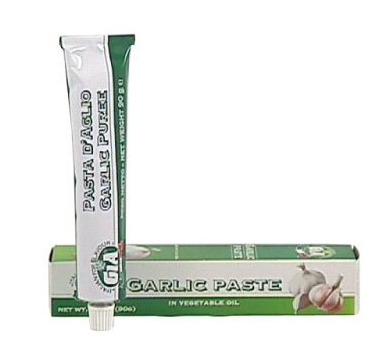
~ 1 tsp of garlic paste (or you can use 1 minced garlic clove)
Spices. I prefer za'atar and use a lot of it, but any other spice mix would work well.

Cut potatoes in 8. Boil them.
Meanwhile slice the mushrooms and mince garlic.
When potatoes are tender, heat oil in a skillet (you can use a pot if you don't have camping frying pan). Add garlic, pesto, and mushrooms. Saute for half a minute. Add potatoes and spices and fry until potatoes will get slightly crispy on the outside. Add salt, pepper, and extra-spices if needed.

Sunday, March 25, 2007

Vegan camping breakfast

So what do vegan campers eat? I don't know about all of them but here is a little overview of my favorite camping food.

BREAKFAST
In the city, a vegan breakfast is very hard to pull for me; I can't do just cereal with milk in the morning even with nuts and fresh fruits it makes me hungry the minute I finish the bowl. I am yet to bake some vegan breakfast muffins.... so my usual breakfast is a peanut-butter-jelly sandwich (something I've never had as a child and thus I am not completely sick of it), but on the weekend I cheat and enjoy an amandine (almond croissant). But hey, enough of city-breakfast, what I was trying to say is that in the city breakfast is either boring or non-vegan, but it all changes during camping - the options are endless:


Scrambled tofu - the tetra-pack Mori-nu tofu keeps for several days, and there are always some dehydrated or even fresh veggies to mix in.


Hash browns with vegan sausages and mushrooms - another filling breakfast choice. I usually bring 4-5 little red skin potatoes (they keep for a while). To save the cooking time, I cut them in 4 and parboil (while rehydrating my mushrooms). Then I fry some garlic/onion with mushrooms (you could add tomatoes or any other vegetables for that matter), add the potatoes, let them fry just a bit, and then add the sausages.


The good old porridge (oatmeal or cream of wheat) - let your imagination go wild. Add some nuts, dried fruits, chocolate chips, spices (cinnamon, nutmeg) ..... The individual packets available at most grocery stores come in different flavors so you can mix and match (we end up eating 2 packets each because one is way too small). I've also noticed an organic alternative (Nature's Path) to the Quaker that has some nice "grown up" flavors. Porridge is also good for those days when you have to wake up and go (no time to parboil potatoes or fry some veggies)
NOTE: Quaker now also has the organic oatmeal!!!
NOTE #2: Check the ingredients; the cream of wheat sometimes already has powdered milk, so it's not vegan!


Pancakes - I still have my non-vegan Aunt Jemima mix that I use but you can always make your own. Mix flour, brown sugar, egg replacer, and powdered soy milk. When you get to the camp ground, just add water and bake the wonderful vegan pancakes. You should try it at home first to make sure that the proportions are right. Don't forget to bring some syrup.

Tuesday, November 14, 2006

Camping Chili

This recipe is rather fuel-consuming because of the cooking of beans and potatoes.
There are several ways of reducing the cooking time:


- Use canned beans (increases the weight and the trash, but significantly reduces the cooking time)
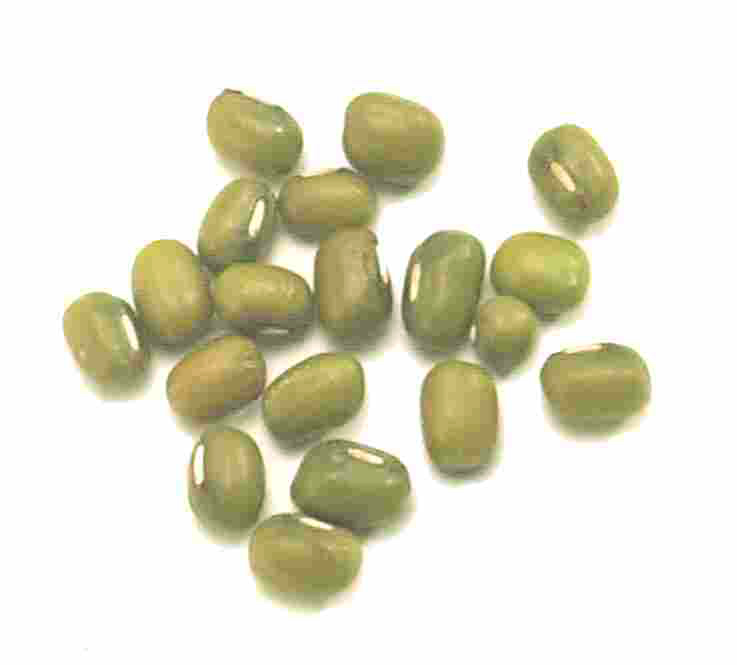
- Use instant rice and mung beans which are smaller and take less time to cook
- Use instant beans (I’ve personally never tried it but can’t see why it wouldn’t work)
- Use dehydrated cooked beans.

I like to cook chili on the first night of our trip. I usually soak beans for ~24 hours before the trip, rinse them, put in Nalgene bottle and cover with water. The beans still have time to soak during the first day of the trip but I don’t have to be extra careful about rinsing them.

Potatoes could be substituted for by using instant mash potatoes which would decrease the cooking time and the fuel consumption.


Chili

1 potato or sweet potato
1/2 onion
2 garlic cloves (when camping use “tubed” garlic paste – the wonderful invention)
~1/2 cup pre-soaked beans (from my experience, black beans are the best, they cook the fastest)
1 tomato (either fresh or dried. If you are using dried tomatoes you can add some “tubed” tomato paste)

Vegetables:

You can use the vegetables of your choice – here are my favorite:
Zucchini (dehydrated or fresh)
Peppers (dehydrated or fresh)
Mushrooms (dehydrated)
Celery

Water
Powdered/”cubed” vegetable broth
Oil
Chili powder

Ground cumin
Thyme (if you like it)
Ground coriander
Salt/pepper/cayenne pepper
Half a pack of “fake meet”. I use Yves Mexican or Original “Ground Round”.

Fry onion and garlic. Add some cumin and any other spices while frying.
Add diced potatoes, zucchini, peppers, and mushrooms. Fry until the vegetables (peppers and zucchinis) get slightly soft. Add tomatoes and fry a bit more. Pour water and add the vegetable broth. Bring to a boil, add chili powder and beans. Simmer until beans are tender. Add “meat” and cook until thoroughly hot.

Serve topped with corn chips, guacamole, cilantro, and/or green onions.


Guacamole

1 avocado
1/2 tomato
1/4 onion (green onions)
Lime juice (optional)
Garlic paste (optional)

Mash avocado, add diced tomatoes, onion, and couple of drops of lime juice. Stir well until combined.

Tuesday, November 07, 2006

Dehydrating

Here is an article on food dehydration that Eric found. It looks like the only vitamins lost during the dehydration process are vitamins A and C.

Drying Foods

Tuesday, October 31, 2006

6 Aspects of Outdoor Cuisine

Weight

Depending on the mode of transportation weight can be a very important when choosing your food and assembling the menu. Fresh and canned food tends to be heavy; on the opposite side are dehydrated, freeze-dried, and powdered dishes.
I usually bring some fresh fruits/vegetables that can last for a while and be used in several meals. When assembling menu I try to use the heaviest items during first couple of days (you are still full of energy and those extra pounds in your back-pack do not seem as heavy as they would towards the middle of the trip).
Looking for the commonly used ingredients in powdered form and substituting fresh produce with dry alternatives could not only significantly decreases the weigh of the “meal” but extend the lifetime of the ingredient. Ex. powdered milk and orange juice instead of the fresh ones, powdered mash potatoes instead of the fresh ones.
Removing the original packaging and repackaging portions insures that you don’t carry any extra food or useless cardboard.


Fuel (cooking) consumption

is directly linked to the weight you carry. If your light food takes hours of simmering you’ll end up carrying extra pounds of fuel. Fuel consumtion is also linked to time spend cooking. Personally, I can cook for hours, be it at home or outdoors, but some people see camping food as an escape from a routine of everyday meal preparation. “Instant” mixes are perfect for camping because they tend to be light and do not require too much fuel and cooking time.
When choosing any type of pre-packaged food pay attention to the cooking time indicated on the package. If the basmati rice included in the Asian Stir-Fry mix requires 10 minutes of boiling time – substitute for some instant rice.
Keep in mind that simmering takes less fuel then cooking on maximum power.


Time spend cooking at home and at the camp

One of the way to decrease the time spend cooking at the camp-site is to precook and dehydrate full dishes or some components of the meal at home. If you don’t want to spend any time next to your stove when camping, try the Freezer Bag Cooking. Ingredients are cooked at home, dehydrated, and then combined into different meals. I am yet to try FBC so I can’t give any comments about the taste of those meals, however I usually don’t have too much time pre-cooking dishes before the trip, and I do not yet have access to a dehydrator.
I try to use pre-packaged dry mixes combined with the variety of dehydrated vegetables to assemble the dishes. I also vary the time-consuming meals with more straightforward ones since spending hours next to the stove is not an option when you get to your locations late at night, or when camping in someone’s backyard.


Taste

Even though any food tastes better outdoors, a variety of different tastes is always good. One simple way of making your food “tastier” is by using spices. Dried herbs work perfectly for camping because they don’t weight much and a little bit goes long way. Bring the basic kit of your favorite spices: basil, oregano, cumin, chili powder, cinnamon, garlic salt….. My little secret is the spice mixes that I prepare at home so that I don’t have to look for each particular spice in the bottom of my food-bag.
When preparing the menu for camping, rely on what you like to eat at home. One advice that I’ve found recently is NOT to try the camping food at home, because the meal you might not love in the comfort of your home on Friday night would taste much better outdoors when you are hungry after the day of hiking/kayaking/mountaineering.


Shelf life

Don’t bring anything that might go bad fast. When bringing fresh fruits/vegetables choose those types that can withstand the heat and do not get damaged easily. If going for long trips plan to use most of the fresh produce during the first 2-3 days.
Dehydration substantially increases the shelf life of products.

Trash

Unless the trashcans are available in the camping area, you would have to bring all the packages and garbage with you. Re-package the food at home (see 10 tips for food preparation before leaving) and avoid “messy” meals. All the ingredients should transport easy without leaving stains or leaking in your backpack.


Another fact that should be kept in mind is that dehydrated fruits/vegetables loose some of the vitamins and nutrients as opposed to the freeze-dried meals (commercial packages available in most outdoor stores and on-line). This might not be an issue for a weekend trip, but is important for long expeditions.
Update: the reason why dehydrated food looses some of its nutritional value is the fact that it is usually consumed before being fully rehydrated. It also "survives" cooking and bits of it pass through the digestion system right to the bowels where it gets fully rehydrated and ferments. For more information about cooking visit this site (tons of interesting and useful information)

Outdoor cooking is about finding the balance between these aspects and your cooking abilities. Just like with home cooking, don’t be afraid to experiment and try new stuff. Sooner or later you would have a collection of your favorite fool-proof recipes and even if camping cooking won’t become your passion, it won’t be a dreadful experience.

Tuesday, October 17, 2006

Scrambled tofu


This is a vegan breakfast staple – a vegan version of scrambled eggs. I’ve tried it once at Blue Monday vegan cafe in Verdun - it was pretty good. I also saw different recipes of it on-line. The first time I cooked scrambled tofu was in Toronto, when visiting my firends who enjoyed their omelet with vegetables for breakfast. Combining the best of all previously seen recipes, I fried some vegetables and added half-a-block of firm tofu. The result was amazing (I used soy sauce instead of salt, so tofu was moist and full of flavor).

Back in Montreal, I decided to prepare this one sunny Sunday morning for Eric and me. However, I’ve realized that I was out of firm tofu….. “Oh well” – I thought – “we’ll have to deal with what we’ve got” and I’ve “scrambled” a pack of soft tofu into my frying vegetables. The result was truly amazing. The texture of the dish was very light and tender (similar to scrambled egg-whites, although I’ve never had scrambled whites without yolks ;). And since MORI-NU has the tetra-pack version of soft tofu this dish became a classic in our “outdoor cuisine”.

Just like other camping recepies – this is not the only and final version of the dish. Modify it to suit your taste … add more ingredients … experiment!!!!!

A block of tofu
Vegetables you like. I usually put:
Zucchini
Pepper
Mushrooms
Tomatoes

Green onions
Garlic

Spices.
Depending on the taste you want to have:
Basil, oregano, parsley – for something more “Italian”
Cumin and cilantro – for something “Eastern”
Za’atar – for something even more “Eastern”
Soy sauce and sesame oil for a Japanese fusion
Curry – never tried it, but why not?
Chili powder – “Mexican” anyone? (I haven’t tried it either)

Fry garlic and onions with the spices. Add the vegetables. Cook till desired softness. Add “scrambled” tofu and heat up.